

The leading platform in Web Development
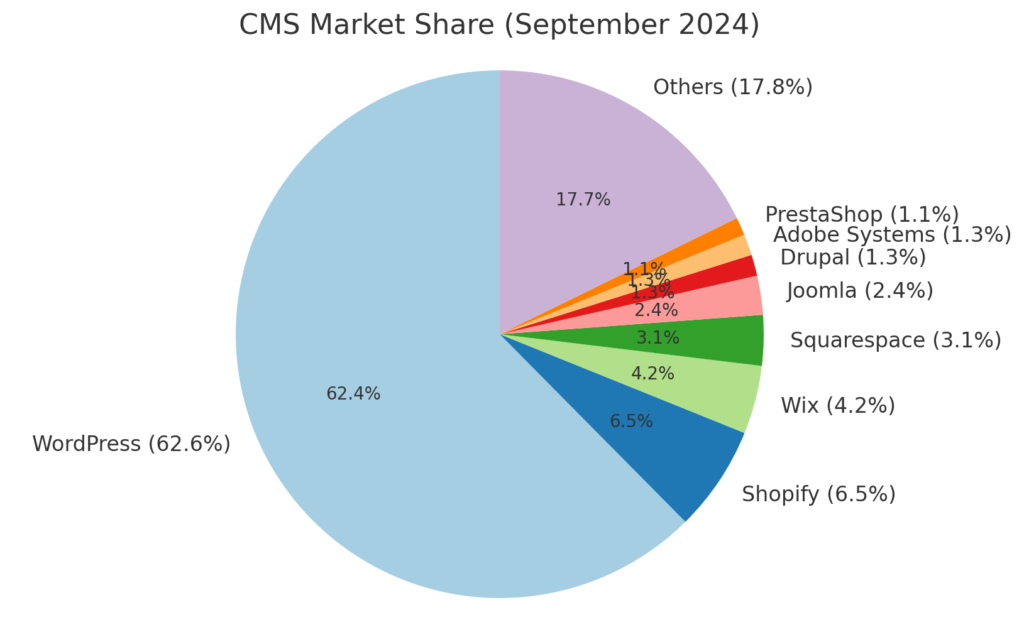
WordPress has managed to consolidate itself as the world's leading platform in web development, a position that is not easy to maintain in such a dynamic and competitive environment. With more than 60% of websites created using WordPress, its versatility and ease of use have made it the preferred choice for both experienced developers and those just starting in the world of web development.
One of the key reasons for this success is WordPress's ability to adapt to different needs, from simple personal blogs to complex e-commerce sites. However, this popularity has also generated particular challenges, especially in terms of maintenance and security, aspects that must be carefully considered when using this platform.
Benefits of using WordPress for Website Development
Versatility and Adaptability
WordPress is an incredibly versatile platform. It allows for the creation of all types of websites, from personal blogs to large news portals, including online stores, corporate sites, and more. This is possible thanks to the wide range of available themes and plugins, which allow the site to be customized according to the specific needs of each project.
Furthermore, WordPress's adaptability is not limited to design. The platform can integrate with various tools and services, such as content management systems (CMS), marketing platforms, and even customer service. This makes it a comprehensive solution for businesses of all sizes looking for a robust and functional web presence.
Community and Abundant Resources
The community behind WordPress is another of its great strengths. With millions of users and developers worldwide, finding support and resources is relatively easy. Whether you need to solve a technical problem, learn a new functionality, or improve your site's performance, the WordPress community always has something to offer.
This community support is also reflected in the number of available plugins and themes, many of which are free. These resources allow developers to extend WordPress's capabilities beyond its basic functions, adapting it to the particular needs of each project. However, it is crucial to ensure that the plugins and themes used come from reliable sources to avoid security issues.
Ideal for Different Types of Web Projects
WordPress is ideal for a wide range of web projects. For example, it is an excellent option for institutional websites, where the need for dynamic and easy-to-manage content is paramount. It is also widely used for e-commerce sites thanks to integration with plugins like WooCommerce, which allow any site to be converted into an online store with all the necessary functionalities.
Furthermore, WordPress has adapted well to other more specialized uses, such as portfolios for artists, classified ad sites, and blogs, among others. The flexibility it offers is incomparable, allowing each website to be unique and meet the client's exact expectations.
Common Challenges in WordPress Development
Maintenance and Updates
One of the less glamorous but crucial aspects of WordPress development is maintenance. Although it is an easy-to-use platform, it requires constant maintenance to ensure its optimal functioning. This includes regular updates of themes, plugins, and the WordPress version itself, as well as backup management and the implementation of security measures.
The low barrier to entry means that many people without sufficient experience can develop sites in WordPress, which often results in poorly maintained developments. This can lead to problems such as outdated sites, security failures, and other inconveniences that can compromise the site's long-term functionality.
Security Issues and Plugins of Dubious Origin
Another important challenge in using WordPress is security. While the platform itself is secure, the large number of available plugins, some of which are not well developed or maintained, can open doors to vulnerabilities. It is crucial to carefully select the plugins and themes installed on a WordPress site, always opting for those with good reviews, frequent updates, and from reliable developers.
The lack of adequate maintenance can also exacerbate these problems. Outdated, poorly maintained developments, with plugins of dubious origin and other issues, impact the suitability of the site or its functioning in the medium and long term. To avoid this, it is essential to have a maintenance plan that includes regular review and updating of all site components.
Limitations for Complex Projects
Although WordPress is extremely versatile, it is not the ideal solution for all types of projects. For example, trying to use WordPress to develop a marketplace or a learning management system (LMS) can be a wrong decision. While there are plugins that allow adding these functionalities, the WordPress infrastructure is not truly designed to support the complexity and demands of these types of sites.
Therefore, it is crucial to carefully evaluate the project's needs before deciding if WordPress is the best option or if it would be more appropriate to opt for another technology that is better adapted to the specific requirements.
How to Choose the Right Technology for Your Project
Evaluation of Current and Future Needs
The choice of the right technology for a web project is a critical decision that can determine its success or failure. It is essential not only to consider the current needs of the project but also to anticipate how those needs might evolve in the future. WordPress is an excellent option for many types of websites, but it is not the universal solution for all problems.
For example, if you are developing an institutional website for a company that needs an online presence or a project portfolio, WordPress is an excellent option due to its ease of use and flexibility. However, if the project involves more complex functions such as a marketplace or an educational system, it may be more prudent to consider other platforms that are specifically designed for those purposes.
When to Choose WordPress and When to Look for Alternatives
Opting for WordPress is ideal when the project requires flexibility, speed in development, and the ability to easily manage and update content. However, if the project involves a large number of user interactions, complex payment processing, or large-scale integrations with external systems, it may be necessary to look for alternatives.
It is important to remember that «one size does not fit all». The choice of technology should be based on a careful evaluation of the characteristics and limitations of each option, ensuring that the chosen platform can handle both the current and future demands of the project.
Here we leave you a brief guide on which projects we consider optimal for development in WordPress and which projects are not:
| Type of Web Development | Optimal for WordPress | Better Other Technology |
| Institutional Websites | ✅ | ❌ |
| Blogs or News Sites | ✅ | ❌ |
| Landing Pages or Funnels | ✅ | ❌ |
| eCommerce B2C (Retail Sales) | ✅ | ❌ |
| eCommerce B2B (Wholesale Sales) | ✅ | ❌ |
| Online Catalogs | ✅ | ❌ |
| Real Estate Websites | ✅ | ❌ |
| Professional Search Websites | ✅ | ❌ |
| Content Intranets | ✅ | ❌ |
| Booking or Scheduling Systems | ❌ | ✅ |
| LMS (Educational Systems) | ❌ | ✅ |
| ERPs (Management Systems) | ❌ | ✅ |
| CRMs or PMS (Tracking Systems) | ❌ | ✅ |
| Marketplaces | ❌ | ✅ |
| Web Apps | ❌ | ✅ |
Maintenance and Continuous Improvement of WordPress Websites
Best Practices for Maintaining a Healthy Site
Once a WordPress site is up and running, the work doesn't stop. Continuous maintenance is essential to ensure the site continues to function optimally and is protected against security threats. This includes tasks such as regularly updating the WordPress version, updating plugins and themes, and implementing security measures like firewall installation and backup management.
Furthermore, it is crucial to perform regular site audits to identify potential problems before they become critical failures. With proper maintenance and knowledge, WordPress is an incredibly versatile platform, which underscores the importance of proactive site management.
The Importance of Updating Plugins and Themes
Plugins and themes are what make WordPress such a powerful and flexible platform, but they are also one of its most vulnerable points if not managed properly. It is crucial to keep all plugins and themes updated to protect the site against security vulnerabilities and ensure everything continues to function correctly.
Managing these components also involves deactivating or deleting those that are not in use, as even inactive plugins and themes can pose a risk if not updated. Keeping the site clean and free of unnecessary components is one of the best practices to ensure its long-term stability and performance.
Conclusion: WordPress as a Key Tool in Web Development
In summary, WordPress is a formidable tool in web development, offering unparalleled versatility and adaptability for a wide range of projects. Its popularity is no accident; the ability to customize and extend its functionalities through a huge variety of themes and plugins makes it ideal for many developers and businesses.
However, its use is not without challenges. Proper maintenance, careful selection of plugins and themes, and evaluating when it is best to use WordPress and when it is better to seek alternatives are critical aspects that must be considered to maximize the benefits of this platform.