
How to take your business online without dying in the attempt
 Agustín NastasiaCEO & Founder
Published: · Updated:

Moving a physical business or company online is one of the main challenges faced today by those who manage all types of commercial ventures.
The pandemic created a huge gap between those businesses that were already digitized and those that -in the midst of a health crisis- had to go out and conquer the digital language, with no time or waiting to plan strategies.
How to effectively move your activity online in record time?
Digital activity takes time, dedication, and something fundamental: the ability to tell stories visually, something that does not necessarily coincide with the capabilities of existing teams in a company.
I still remember when the manager of a company with a long history in the market told me -in confidence and with some embarrassment- that he didn't know how to use social media.
How good that he could share it and get that weight off his chest, I thought, because ultimately, although reality insists on suggesting otherwise, digital is not always an accessible language for everyone.
In other words, when someone recognizes “I can't do this,” they are taking a big step forward. From there, it is possible to grow with the help of specialists who can implement a company's digital communication.
Where do you start?
We share 6 actions that will allow you to take your business online in a timely and proper manner. We base our approach on proposals that will truly grow your activity; some of them are designed to be repeated creatively and dynamically.
1. Corporate identity development
Create a logo that identifies the company and register it with the National Institute of Industrial Property (INPI). This logo will be present in every advertising piece developed in the future and will largely define the font (typography) and color palette of the brand image.
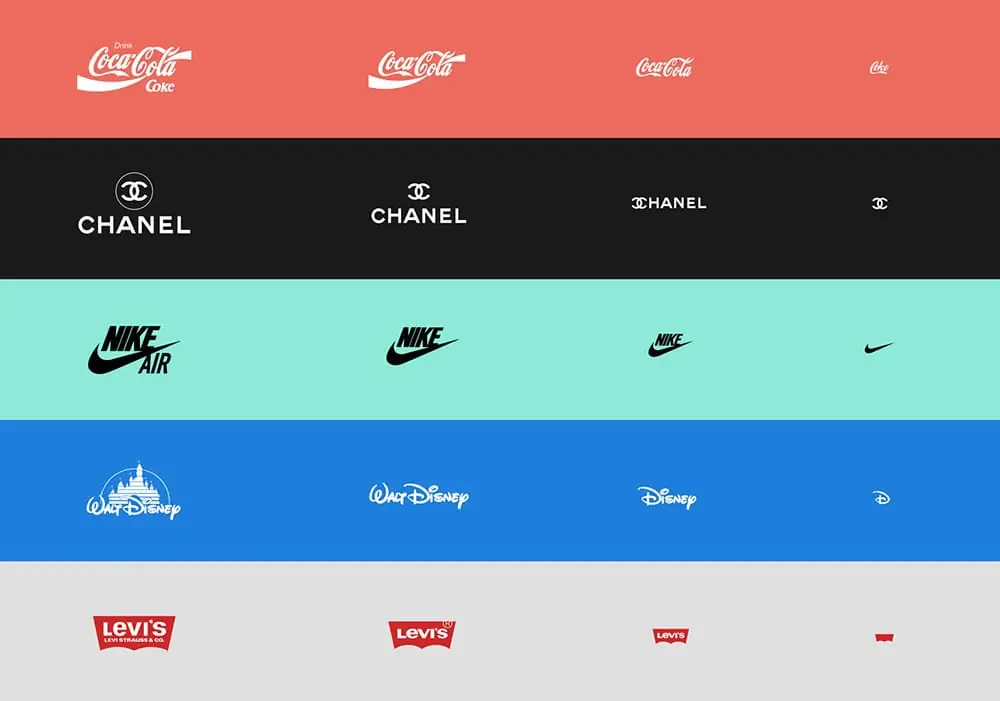
If you have an existing logo, it's important to ensure it displays correctly in different formats. For example, it should stand out on both a light and a dark background, and it's also important that reductions of the logo remain representative of the brand.
2. Search for validations
If your business model has a physical location, it's interesting to achieve positive recommendations or reviews on Google My Business. If we put ourselves in the consumer's shoes, what's the first thing we look for in a company or product before buying? We go to Google to check its reputation.
We've been doing this since the beginning of our agency. If you Google «Grupo Vansur» you'll find dozens of comments and ratings from satisfied customers.
Getting customers to publicly endorse your products or services, to recommend, rate, and promote you on social media is a great contribution to brand communication.
Similarly, endorsement from influencers or relevant figures adds great value and provides security to future buyers.
3. Website
In the physical modality, the quality of the facilities is one of the variables that add value to the brand. The same applies to the digital version of businesses or companies. Having a functional and well-designed website is as important as having a nice office or an impressive sales showroom.
A website contains information about the company, the products or services it offers, its vision, trajectory, and all aspects that we can call “institutional”.
Among its main benefits is the possibility of achieving good positioning in search engines (SEO) to be organically tracked by our potential clients.
4. Define a flagship product or service
This action will allow you to build a value proposition that differentiates you from the competition.
Comparative advantage can arise from an analysis of prices, quality, delivery or payment methods, among other aspects that define the activity of each sector.
It is very important to understand what the entry point to our company is, that which will allow us to build customer loyalty and then offer them our entire range of products.
5. Marketing actions for commercialization
The next step is the implementation of actions aimed at the target audience.
In this field, there are many strategies to deploy: from the most traditional –such as handing out flyers or brochures– to running Google Ads campaigns, sending newsletters, email marketing, direct actions with influencers, and visibility on social media, among others that we will see in detail in upcoming posts.
Regarding social media, Facebook and Instagram can be great communication allies, but they are not the only ones. Depending on the sector, networks like LinkedIn, YouTube, Pinterest, or other niche ones may be more useful.
It is not at all necessary to cover all the marketing channels available to us, but rather to choose those that are most efficient for our company.
6. Customer loyalty strategies
There are various ways to encourage the customer to make more than just the first purchase. Offering discounts, accompanying them in the development of a next step, advising, and providing the best after-sales service are some of the initiatives that can help maintain the commercial relationship over time.
In summary, taking your business online and boosting your brand is a challenging activity that requires the implementation of creative, professional, and –most importantly– sustained strategies over time.
As we have seen, designing a strong identity and having an institutional website are the very first and necessary steps. Then there is a battery of options to elevate and amplify the proposal.
In upcoming installments, we will be looking in detail at each of these points that will help your company become known in the digital world.